
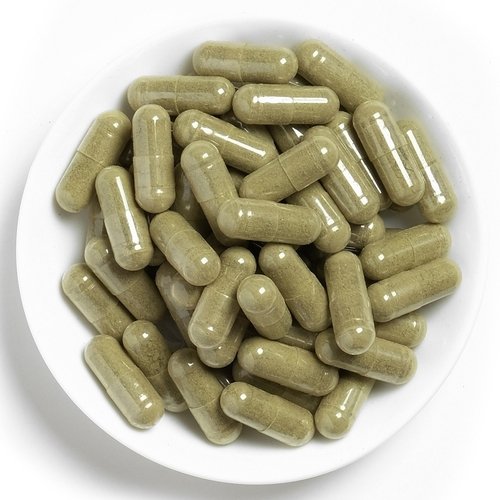
Buy Ibogaine capsules Online
Price range: £180.00 through £500.00
Ibogaine, a potent psychoactive substance derived from the African plant Tabernanthe iboga, has garnered increasing interest as a potential tool for transformative healing and addiction treatment. It is available in different forms, such as Ibogaine HCL (hydrochloride) and Iboga extract.
Ibogaine Capsules — Plant-Derived Psychoactive Alkaloid: Botanical Origins, Pharmacology & Research Applications
Ibogaine Capsules contain ibogaine hydrochloride — the principal psychoactive alkaloid extracted from the root bark of Tabernanthe iboga, a perennial shrub native to the rainforests of Central and West Africa, particularly Gabon, Cameroon, the Republic of Congo, and the Democratic Republic of Congo. Ibogaine is a naturally occurring indole alkaloid classified within the tryptamine family, and it represents one of the most pharmacologically complex and scientifically intriguing psychoactive compounds known to researchers and clinicians studying consciousness, addiction neuroscience, and Central African traditional medicine.
Ibogaine Capsules as a pharmaceutical or nutraceutical format present the compound in a measured, encapsulated dose — typically expressed in milligrams of ibogaine hydrochloride per capsule. This delivery format is used in clinical research settings, licensed treatment facilities in jurisdictions where ibogaine administration is legally permitted, and by licensed practitioners administering ibogaine-assisted therapy protocols for the treatment of opioid use disorder and other substance use conditions under medical supervision.
From a regulatory standpoint, ibogaine is classified as a Schedule I controlled substance in the United States under the Controlled Substances Act, placing it in the same category as heroin and LSD for purposes of federal drug control. However, ibogaine is either unscheduled, legally available by prescription, or used in licensed treatment centers in a growing number of countries including Canada, Mexico, the Netherlands, New Zealand, Brazil, South Africa, and several others — making it subject to a uniquely heterogeneous global legal landscape that reflects divergent national assessments of its therapeutic potential versus risk profile.
Product Overview & Chemical Profile
| Common Name | Ibogaine; Iboga alkaloid |
| Source Plant | Tabernanthe iboga (primary); Voacanga africana; Tabernaemontana spp. |
| Plant Family | Apocynaceae |
| Chemical Class | Indole alkaloid; Tryptamine subclass |
| IUPAC Name | (3S,4R)-3-ethyl-4-[(1-methylindol-3-yl)methyl]-1H-pyrano[3,4-b]indol-1(9H)-one (ibogamine skeleton) |
| CAS Number | 83-74-9 |
| Molecular Formula | C20H26N2O |
| Molecular Weight | 310.43 g/mol |
| Capsule Form | Ibogaine HCl (hydrochloride salt) in gelatin or vegetarian capsules |
| Typical Capsule Strengths | 50 mg, 100 mg, 200 mg ibogaine HCl per capsule (research/clinical use) |
| Appearance | White to off-white crystalline powder (HCl salt) |
| Solubility | Soluble in water (HCl salt); sparingly soluble in ethanol |
| DEA Schedule (USA) | Schedule I Controlled Substance |
| Active Metabolite | Noribogaine (12-hydroxyibogamine) — long-acting, primary therapeutic mediator |
| Half-Life (Ibogaine) | Approximately 4–7 hours |
| Half-Life (Noribogaine) | 28–49 hours (highly variable) |
| Traditional Source | Bwiti spiritual tradition; Mitsogho and Fang peoples of Gabon and Cameroon |
Botanical Origins: Tabernanthe iboga and the Iboga Plant
Tabernanthe iboga is a slow-growing perennial shrub or small tree reaching 1.5–2 meters in height at maturity, native to the humid equatorial rainforest understory of Central and West Africa. The plant produces small, tubular flowers in shades of white, pink, or pale yellow, followed by elongated orange or yellow fruits. Its most pharmacologically significant feature is its root bark, which contains the highest concentration of ibogaine alkaloids — typically 1–3% of dry root bark weight — along with a complex mixture of at least 12 related indole alkaloids collectively referred to as iboga alkaloids.
Ibogaine is also present in meaningful concentrations in several related plant species in the Apocynaceae family, most notably Voacanga africana, which contains voacangine — a compound that serves as a common industrial precursor for semi-synthetic ibogaine production — and various Tabernaemontana species distributed across Africa, Asia, and the Americas. These alternative botanical sources have become increasingly important for pharmaceutical-grade ibogaine production as demand from research and treatment programs has grown.
Cultivation, Harvesting & Conservation Concerns
Tabernanthe iboga grows very slowly, requiring 5–10 years to produce meaningful root bark alkaloid yields. Harvesting the root bark typically kills or severely damages the plant. Combined with increasing global demand for ibogaine for therapeutic research and treatment programs, this has placed significant pressure on wild iboga populations in Central Africa, particularly in Gabon — where the plant holds special cultural and legal status as a national treasure. The Gabonese government has classified iboga as a national heritage plant and has taken steps to regulate its export, while simultaneously navigating growing international research interest.
Sustainable cultivation programs and semi-synthetic production from Voacanga africana are being actively developed to reduce harvesting pressure on wild populations. Conservation organizations, Indigenous Bwiti communities, and international researchers have called for internationally coordinated approaches to iboga cultivation and access that respect both conservation imperatives and the plant’s profound cultural significance to its peoples of origin.
Traditional Use & Cultural Significance in the Bwiti Tradition
Iboga and its alkaloids occupy a central and irreplaceable place in the Bwiti spiritual tradition practiced by the Mitsogho, Fang, and related ethnic groups of Gabon, Cameroon, and the Republic of Congo. The Bwiti tradition — one of Central Africa’s most significant syncretic spiritual systems — uses iboga root bark as a sacramental entheogen in elaborate multi-day initiation rites, healing ceremonies, and rites of passage that mark pivotal transitions in the lives of community members.
The Bwiti Initiation Ceremony
In the Bwiti initiation ceremony (called the “grand iboga ceremony” or “opening of the Bwiti”), initiates consume large quantities of iboga root bark — often scraped and ingested over the course of a full night or multiple days — under the guidance of experienced ceremony leaders (ngangas). The purpose is to facilitate a profound visionary journey into the spirit world in which the initiate encounters ancestral spirits, confronts suppressed psychological material, receives spiritual guidance, and undergoes a symbolic death and rebirth that integrates them fully into the Bwiti community and cosmos.
The Bwiti framework does not treat iboga as a recreational substance but as a powerful, sacred, and demanding teacher that must be approached with proper preparation, intention, and ceremonial structure. The nganga’s role as guide, protector, and interpreter of the experience is considered essential for safe and meaningful navigation of the iboga journey. This traditional framework has directly informed contemporary clinical protocols for ibogaine-assisted therapy, which similarly emphasize preparation, supervised administration, and post-experience integration.
Smaller Ceremonial and Medicinal Uses of Iboga
Beyond full initiatory ceremonies, smaller doses of iboga root bark are used within Bwiti and related traditions for a range of purposes: as a stimulant to suppress fatigue and hunger during long hunting expeditions or periods of physical labor; as a mild mood-elevating tonic at sub-hallucinogenic doses for communal ceremonies; as a medicinal plant for treating fevers, pain, and infectious conditions; and in traditional diagnostic and divinatory contexts in which the healer uses iboga visions to identify the spiritual or physical root of a patient’s illness.
Pharmacology & Mechanism of Action of Ibogaine
Ibogaine possesses one of the most complex and multifaceted pharmacological profiles of any known psychoactive compound. Unlike classical serotonergic psychedelics (LSD, psilocybin, mescaline) that act primarily through a single receptor mechanism, ibogaine interacts with a remarkably broad array of receptor systems and ion channels simultaneously — a polyvalent pharmacology that is believed to underlie both its therapeutic potential for addiction and its significant safety risks.
Primary Pharmacological Actions
- NMDA receptor antagonism: Ibogaine and its active metabolite noribogaine are non-competitive antagonists at the N-methyl-D-aspartate (NMDA) glutamate receptor — the same target as ketamine and PCP. This action is hypothesized to contribute to neuroplasticity induction and may play a role in disrupting drug-conditioned learning and memory associated with addiction.
- Sigma receptor agonism: Ibogaine binds with moderate affinity to sigma-1 and sigma-2 receptors, which are implicated in neuroplasticity, neuroprotection, and modulation of opioid receptor signaling. Sigma-1 receptor activity may contribute to ibogaine’s anti-addictive effects and its ability to reset opioid receptor sensitivity.
- Kappa-opioid receptor agonism: Ibogaine has significant activity at kappa-opioid receptors, which mediate dysphoric, dissociative, and anti-addictive effects. Kappa agonism is thought to contribute to the interruption of stimulant and opioid reward circuits.
- Serotonin transporter (SERT) inhibition: Both ibogaine and noribogaine inhibit the serotonin reuptake transporter, increasing synaptic serotonin levels — contributing to mood-modulating and potentially antidepressant effects.
- Dopamine and norepinephrine transporter inhibition: Moderate inhibition of monoamine transporters contributes to stimulant-like properties and may influence addiction neurocircuitry.
- Nicotinic acetylcholine receptor (nAChR) antagonism: Ibogaine is a potent antagonist at alpha-3-beta-4 nicotinic receptors — the same subtype implicated in nicotine addiction and opioid physical dependence signaling — providing a mechanistic basis for its anti-addictive actions independent of opioid receptor effects.
Noribogaine: The Long-Acting Active Metabolite
Ibogaine is rapidly metabolized in the liver by CYP2D6 and CYP3A4 to noribogaine (12-hydroxyibogamine), which is considered the primary mediator of ibogaine’s sustained therapeutic and neurobiological effects. Noribogaine has a significantly longer half-life than ibogaine (28–49 hours versus 4–7 hours), is more potent at the kappa-opioid receptor and serotonin transporter, and distributes extensively into adipose tissue and brain tissue, contributing to prolonged therapeutic windows that extend well beyond the acute psychoactive experience. Research institutions have investigated noribogaine as a standalone therapeutic candidate for opioid use disorder based on this sustained pharmacological profile.
Cardiac Safety Considerations: hERG Channel Inhibition
A critical and clinically significant pharmacological property of ibogaine is its inhibition of the hERG (human ether-a-go-go related gene) potassium channel — the same cardiac ion channel implicated in drug-induced long QT syndrome and potentially fatal cardiac arrhythmias including Torsades de Pointes and ventricular fibrillation. QT prolongation has been documented in humans receiving ibogaine and is the primary mechanism underlying the compound’s most serious and potentially.
fatal adverse effects. This cardiac risk requires mandatory cardiac screening (baseline ECG, electrolyte panel), continuous cardiac monitoring throughout administration, and exclusion of patients with pre-existing cardiac conditions or concurrent use of other QT-prolonging medications in any clinical or research setting.
Scientific Research & Therapeutic Potential of Ibogaine
Ibogaine has attracted increasing scientific attention over the past three decades as a potential breakthrough treatment for substance use disorders — particularly opioid use disorder (OUD) — based on compelling preclinical evidence, observational clinical data from treatment clinics in permissive jurisdictions, and an emerging body of controlled clinical research. The compound’s unique ability to interrupt opioid physical dependence, reduce or eliminate withdrawal symptoms, and suppress drug craving for extended periods following a single or limited number of treatment sessions distinguishes it pharmacologically from all currently approved addiction treatments.
Opioid Use Disorder & Addiction Treatment Research
The most extensively studied and clinically significant application of ibogaine is in the treatment of opioid use disorder. Multiple observational studies, case series, and retrospective analyses from treatment clinics in the Netherlands, Mexico, Canada, New Zealand, and other jurisdictions have reported that a single ibogaine treatment session can substantially reduce or eliminate opioid withdrawal symptoms within 24–36 hours and significantly reduce opioid craving and use for weeks to months following treatment — effects that no currently approved medication can replicate with a single intervention.
- A landmark 2021 observational study of U.S. special operations veterans found significant reductions in PTSD symptoms, depression, and alcohol use following ibogaine treatment at a Mexico-based clinic
- Observational data consistently reports complete suppression of opioid withdrawal symptoms in 50–80% of opioid-dependent patients treated with ibogaine
- Multiple studies report significant reductions in opioid use and craving at 1-month, 3-month, and 12-month follow-up in patients treated with ibogaine
- Stanford University School of Medicine researchers published a prospective observational study in 2023 documenting significant improvements in traumatic brain injury symptoms, PTSD, depression, and anxiety among veterans following ibogaine-assisted therapy
- MAPS (Multidisciplinary Association for Psychedelic Studies) and other research organizations have supported phase I and II clinical trials investigating ibogaine safety and efficacy
Other Therapeutic Research Areas
- Alcohol use disorder: Preclinical and observational data suggest ibogaine reduces alcohol consumption and craving; clinical studies underway
- Stimulant use disorder (cocaine, methamphetamine): Animal and human observational data support anti-addictive effects across stimulant classes
- Nicotine dependence: Alpha-3-beta-4 nicotinic receptor antagonism provides a plausible mechanism; case reports and small series suggest efficacy
- Treatment-resistant depression: Emerging observational data and case reports document significant antidepressant effects; serotonin transporter inhibition and neuroplasticity induction are proposed mechanisms
- Post-traumatic stress disorder: Multiple observational studies and the high-profile Stanford veteran study support potential therapeutic utility; Phase II clinical trials planned
- Parkinson’s disease: Preclinical data suggesting neuroprotective effects via GDNF (glial cell line-derived neurotrophic factor) upregulation; early-stage human research initiated
Safety Profile, Adverse Effects & Medical Screening Requirements
Ibogaine carries a significant safety risk profile that distinguishes it from other psychedelic compounds currently under clinical investigation. Its cardiac toxicity potential and demanding psychological and physiological effects require rigorous medical screening, continuous monitoring, and administration only by trained practitioners in appropriately equipped clinical environments. Ibogaine should never be self-administered or administered outside medically supervised settings.
Cardiac Risks — The Most Critical Safety Concern
- QTc interval prolongation: Ibogaine prolongs the QT interval on electrocardiogram in a dose-dependent manner, creating risk of life-threatening ventricular arrhythmias including Torsades de Pointes
- Fatalities: Approximately 30 deaths worldwide have been associated with ibogaine administration since the 1990s, the majority attributable to cardiac arrhythmias, polydrug interactions, or inadequate medical screening and monitoring
- Mandatory pre-treatment cardiac screening: 12-lead ECG, electrolyte panel (potassium, magnesium, calcium), echocardiogram in patients with cardiac history, and exclusion of patients with pre-existing QT prolongation, structural heart disease, or concurrent use of QT-prolonging medications
- Continuous cardiac monitoring: Telemetry or continuous ECG monitoring for the full duration of ibogaine effect (minimum 24–36 hours) is standard of care in responsible clinical programs
Other Significant Adverse Effects
- Severe nausea and vomiting — particularly during onset phase; aspiration risk requires positioning protocols
- Ataxia and loss of motor coordination — patients are immobile for the duration of the experience; fall prevention is essential
- Intense and prolonged psychological experience — lasting 12–36 hours; potential for anxiety, fear, or psychological destabilization in unprepared or unsupported patients
- Tremor and muscle fasciculations
- Photophobia and phonophobia — sensitivity to light and sound
- Bradycardia and hypotension — particularly in the acute phase
- Drug interactions: Particularly dangerous with opioids, benzodiazepines, antidepressants, antipsychotics, and any QT-prolonging medications
Global Legal Status of Ibogaine Capsules
The legal status of ibogaine varies dramatically across international jurisdictions, creating a complex global patchwork of prohibition, tolerance, and regulated therapeutic use. Understanding the applicable legal framework is essential for researchers, clinicians, and institutions considering ibogaine-related activities.
Countries Where Ibogaine Is Prohibited
- United States: Schedule I controlled substance under the Controlled Substances Act; no approved medical use; clinical research requires DEA Schedule I researcher license and FDA IND (Investigational New Drug) application
- United Kingdom: Class A controlled substance under the Misuse of Drugs Act 1971
- France: Listed as a narcotic; prohibited
- Switzerland: Controlled under narcotics legislation; restricted to specific authorized research
- Sweden: Classified as a narcotic
- Belgium: Controlled substance
Countries With Legal or Permissive Access
- Mexico: Unscheduled at the federal level; numerous licensed ibogaine treatment clinics operate legally, serving a large international patient population including many from the United States
- Canada: Not scheduled under the Controlled Drugs and Substances Act; available for use in clinical trials and by licensed practitioners under certain regulatory frameworks
- Netherlands: Available in licensed treatment settings and via prescription; the Netherlands hosted some of the earliest ibogaine treatment research in the 1990s through the work of Dr. Jan Bastiaans
- New Zealand: Classified as a prescription medicine; legally available with physician prescription
- South Africa: Unscheduled; legal to possess and administer; several established treatment centers operate
- Brazil: Unscheduled and unregulated; legal to use and administer
- Gabon: Iboga is classified as a national heritage plant; use in traditional Bwiti ceremonies is legally protected and culturally foundational
Frequently Asked Questions About Ibogaine Capsules
How Do Ibogaine Capsules Differ From Raw Iboga Root Bark?
Ibogaine capsules contain purified ibogaine hydrochloride — typically pharmaceutical-grade or research-grade material with verified purity and precisely measured dosing per capsule. Raw iboga root bark, by contrast, is the whole plant material containing a complex mixture of 12 or more iboga alkaloids in addition to ibogaine, with significant variability in alkaloid content between samples. Clinical research and treatment programs generally favor ibogaine HCl capsules for their dosing precision and reproducibility. Some practitioners and traditional advocates argue that the full alkaloid spectrum of whole root bark produces a qualitatively different experience and potentially distinct therapeutic effects compared to isolated ibogaine — a phenomenon sometimes described as an entourage effect analogous to that discussed in cannabis and peyote research.
What Is a Typical Ibogaine Treatment Protocol?
In licensed clinical and research settings, ibogaine treatment protocols typically involve three phases: preparation (comprehensive medical and psychological screening over days to weeks before treatment, including cardiac workup, drug washout periods, and psychological readiness assessment); administration (a single flood dose of ibogaine HCl, typically 10–20 mg/kg body weight, administered in a medically monitored inpatient setting with continuous cardiac telemetry for a minimum of 24–36 hours); and integration (structured psychological support sessions over the weeks and months following treatment to consolidate insights and behavioral changes initiated during the ibogaine experience). The total treatment period — including pre-screening and integration — commonly spans 4–8 weeks at comprehensive programs.
Is Ibogaine FDA-Approved?
No. Ibogaine is not FDA-approved for any medical indication in the United States and remains classified as a Schedule I controlled substance with no currently accepted medical use under federal law. However, this classification is increasingly being
questioned in the scientific and medical communities in light of accumulating evidence of therapeutic potential. Several U.S. institutions have obtained FDA Investigational New Drug (IND) authorization to conduct Phase I and Phase II clinical trials of ibogaine for opioid use disorder and other conditions. As of the current date, legislative efforts in multiple U.S. states and at the federal level are seeking to facilitate expanded access to ibogaine research and, potentially, rescheduling to permit medical use.
| Quantity | 100 Capsules, 200 Capsules, 3000 Capsules |
|---|
1 review for Buy Ibogaine capsules Online
Add a review
Related products
Psychoactive Herb
Psychoactive Herb

Psychoactive Herb
Psychoactive Herb
Psychoactive Herb
Psychoactive Herb
Psychoactive Herb

Stone –
My meds arrived yesterday in perfect condition. The entire process was smooth and professional. Definitely ordering again in the near future.