
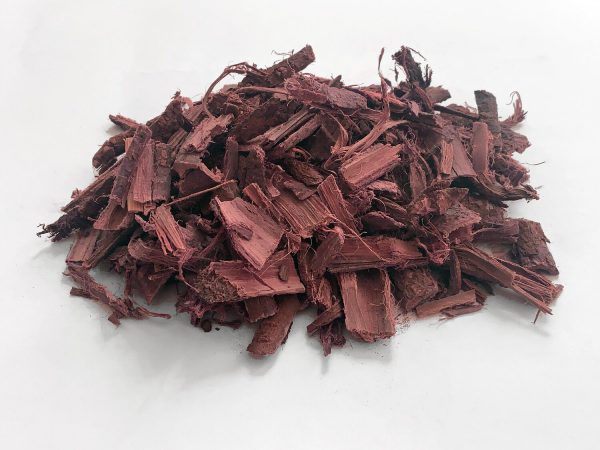

Mimosa Hostilis Root Bark: The Ultimate Botanical Guide
Discover the profound qualities of Mimosa hostilis, scientifically known as Mimosa tenuiflora and locally as Jurema Preta. This perennial tree, native to the northeastern region of Brazil and parts of Mexico, has been revered for centuries by indigenous cultures for its holistic applications and rich tannin content.
Whether you are a botanical researcher, a craft dyer, or a traditional herbal enthusiast, our premium-grade Mimosa hostilis root bark (MHRB) is ethically harvested and sustainably sourced to ensure the highest concentration of active alkaloids and natural pigments.
Key Features and Traditional Uses
-
Deep Pigmentation: Widely used as a natural dye, producing vibrant shades ranging from soft pinks to deep, earthy purples.
-
Ethical Sourcing: Our bark is collected from fallen branches and sustainable harvests to protect the longevity of the species.
-
High Tannin Content: Utilized traditionally in skin-rejuvenating formulations and topical salves.
-
Botanical Purity: 100% organic, finely shredded or powdered, with no added fillers or synthetic chemicals.
Botanical Specifications
| Feature | Description |
| Scientific Name | Mimosa tenuiflora |
| Common Name | Jurema, Tepezcohuite, Mimosa Hostilis |
| Origin | Sustainably harvested in Brazil/Mexico |
| Form | Available in Inner Root Bark (Shredded or Powder) |
Why Choose Our Mimosa Hostilis?
We prioritize quality control at every stage. From the selection of the trees to the airtight packaging that preserves freshness, we ensure that you receive a product rich in the characteristics that make this botanical a staple in traditional South American ethnobotany. Perfect for laboratory research, holistic leather tanning, or artisanal textile dyeing.
Comprehensive Guide to Mimosa Hostilis Root Bark
Mimosa hostilis (syn. Mimosa tenuiflora) is more than just a botanical specimen; it is a cultural cornerstone of South American ethnobotany. Often referred to as “Tepezcohuite” in Mexico, it has gained global recognition for its remarkable skin-repairing properties and its utility in the textile industry.
The inner root bark (MHRB) is the most sought-after part of the tree. It contains a high concentration of nutrients and tannins that serve as a natural astringent. In traditional practices, the bark is often ground into a fine powder to create poultices or infused into oils for topical applications. Our sourcing ensures that the delicate balance of the ecosystem is maintained, providing you with a product that is as environmentally conscious as it is potent.
Frequently Asked Questions (FAQ)
What is the difference between Mimosa hostilis and Mimosa pudica? While they share a genus, they are very different plants. Mimosa hostilis is a perennial tree known for its bark’s chemical profile and dyeing properties. Mimosa pudica is a small herb famous for its “sensitive” leaves that fold inward when touched.
How should I store my Mimosa hostilis root bark? To maintain maximum freshness and prevent the degradation of its natural alkaloids and tannins, store the bark in a cool, dark, and dry place. We recommend using an airtight container or the resealable UV-protected packaging provided.
Is your Mimosa hostilis “Inner Root Bark”? Yes. We specifically harvest the inner layer of the root bark, which contains the highest density of the botanical’s active constituents, ensuring a superior product compared to whole-root alternatives.
Can this product be used for natural dyeing? Absolutely. Mimosa hostilis is one of the most popular natural dyes for cotton and wool. Depending on the mordant used and the concentration, you can achieve a spectrum of colors from soft pinks and creams to deep purples and browns.
Is this product sustainably harvested? We pride ourselves on ethical sourcing. Our harvesters utilize techniques that do not kill the trees, focusing on sustainable bark stripping and collecting from areas with high tree density to ensure the population remains healthy and vibrant.
| Quantity | 250 Grams, 500 Grams, 1 Kilogram |
|---|
Be the first to review “Mimosa Hostilis ( Inner Root Bark )”
Related products

Psychoactive Herb
Psychoactive Herb
Psychoactive Herb

Psychoactive Herb
Psychoactive Herb
Psychoactive Herb
Psychoactive Herb

Reviews
There are no reviews yet.