
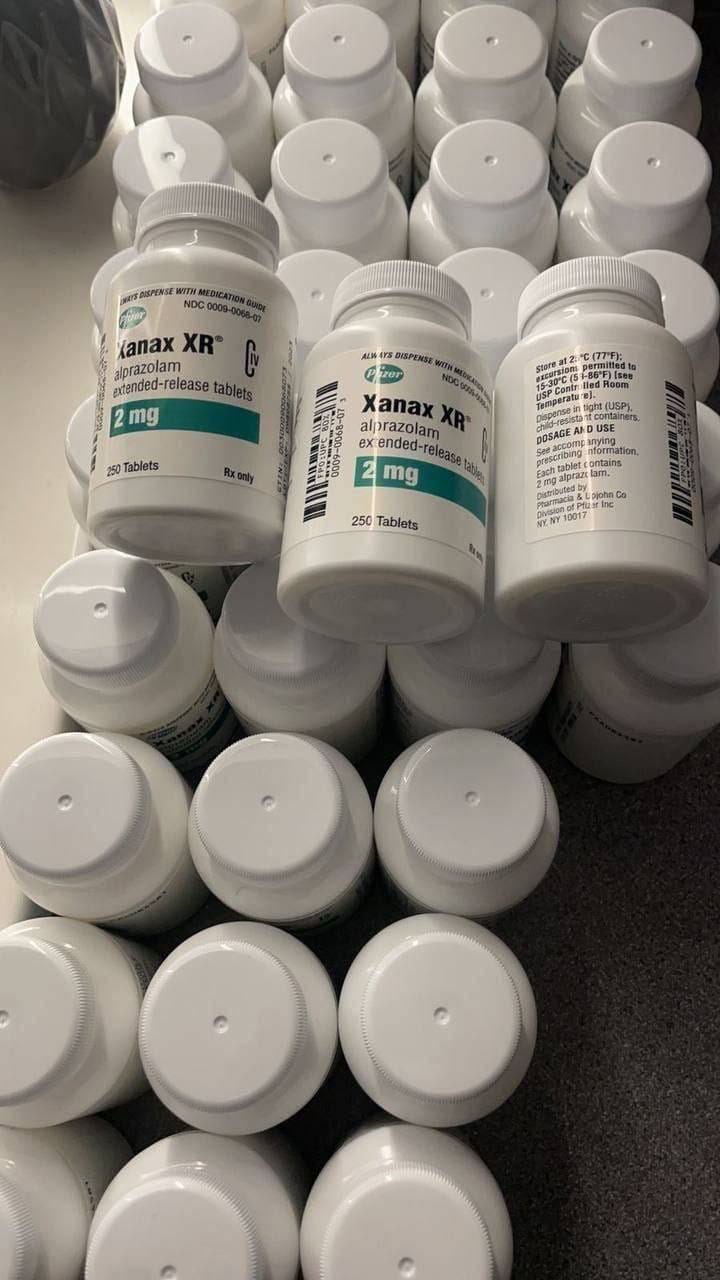
Xanax UK (Alprazolam)
Price range: £160.00 through £340.00
Explore Xanax UK (Alprazolam) – from uses for anxiety to NHS side effects and addiction risks. Learn safe alternatives and comparisons like Xanax vs Diazepam UK.
Xanax UK (Alprazolam) – Complete Guide to Uses, Dosage, MHRA Rules & Safe Use
Xanax is one of the most recognised prescription medication brand names in the world, yet it occupies a tightly regulated position in the United Kingdom. It contains alprazolam — a short-acting triazolobenzodiazepine — and is licensed in the UK for the short-term management of anxiety and panic disorder. Unlike the United States, where Xanax is among the most widely prescribed psychiatric medications, NHS prescribers in the UK follow NICE guidelines that strongly favour SSRIs and psychological therapies as first-line approaches, reserving alprazolam for cases where these have been insufficient.
What Is Xanax (Alprazolam) and Is It Available in the UK?
Xanax is the brand name for alprazolam, manufactured by Pfizer and available in 0.25mg, 0.5mg, 1mg, and 2mg tablets, as well as an extended-release formulation. In the UK, alprazolam is a Prescription Only Medicine (POM) and a Class C Controlled Drug under the Misuse of Drugs Act 1971, scheduled as Schedule 4 (Part I) under the Misuse of Drugs Regulations 2001. Brand-name Xanax has limited NHS pharmacy availability; generic alprazolam is more commonly dispensed in line with NHS generic prescribing policy. Due to its misuse potential — particularly among young people — NHS prescribing rates for alprazolam are among the lowest of any benzodiazepine in Britain.
Alprazolam vs Xanax: Understanding the Difference in the UK
Xanax and alprazolam are therapeutically identical. UK pharmacists typically dispense generic alprazolam rather than branded Xanax under NHS generic prescribing policy. Both are bioequivalent under MHRA standards and deliver the same clinical effect. Patients familiar with Xanax from US media or travel should note that UK prescribers are bound by NICE and BNF guidelines that do not support long-term benzodiazepine prescribing for anxiety.
How Xanax (Alprazolam) Works: Mechanism of Action
Alprazolam binds to GABA-A receptor complex benzodiazepine sites, potentiating the inhibitory action of GABA by increasing chloride ion channel
frequency. This reduces excitability of brain circuits associated with anxiety and panic. Onset of action is typically 15–30 minutes; peak plasma concentration within 1–2 hours. Its average half-life of approximately 11 hours (range 6–27 hours) produces rapid, marked anxiolytic effect but also a steeper plasma decline than longer-acting benzodiazepines — contributing to inter-dose anxiety and higher dependence liability.
UK-Licensed and MHRA-Approved Uses of Xanax
Alprazolam holds a UK marketing authorisation for the short-term treatment of anxiety disorders and panic disorder. NICE guidelines prescribe a stepped-care approach: CBT and SSRIs such as sertraline or escitalopram are cornerstones of treatment. Xanax occupies a limited role — used briefly at the lowest effective dose as an adjunct during initiation of preferred therapies. UK prescribers are advised to limit prescriptions to 2–4 weeks and avoid repeat prescriptions without specialist review.
Xanax for Anxiety Disorders: NHS Prescribing Context
NHS prescribers follow NICE guidance that does not support alprazolam as first-line treatment for generalised anxiety disorder, social anxiety, or panic disorder. It may be prescribed briefly as bridging therapy while awaiting response to preferred treatments — particularly given NHS talking therapy waiting times, which can exceed 18 weeks in many areas of England.
Xanax for Panic Disorder: Clinical Use in the UK
Clinical trials demonstrate that alprazolam significantly reduces panic attack frequency and severity, with effects detectable within days. The British Association for Psychopharmacology (BAP) and NICE do not recommend it as first-line or long-term therapy. SSRIs (e.g., escitalopram, paroxetine) and venlafaxine are preferred long-term pharmacological options. Short-term use under specialist supervision may be appropriate in severe or treatment-resistant cases.
Xanax (Alprazolam) Dosage Guidelines for UK Patients
The BNF recommends conservative dosing: for anxiety, start at 250 micrograms (0.25mg) three times daily, cautiously increasing to a maximum of 3mg daily in divided doses. Higher doses for panic disorder (up to 6mg daily) require consultant psychiatrist input and are rarely prescribed in UK primary care. Tablets should be taken at regular intervals without crushing. Discontinuation must always follow a gradual tapering schedule — reducing by no more than 10% every 1–2 weeks — agreed with the prescribing doctor.
Dosing in Elderly and Vulnerable UK Patients
The BNF recommends elderly patients begin at 125–250 micrograms (0.125–0.25mg) twice or three times daily. Older adults are significantly more sensitive to benzodiazepine CNS effects — with elevated risks of falls, confusion, and paradoxical agitation. NHS Patient Safety Alerts identify benzodiazepines as high-risk medicines in care home settings. Extra caution is required in patients with COPD, sleep apnoea, hepatic impairment, substance misuse history, or significant depression.
Clinical Benefits of Xanax (Alprazolam) for UK Patients
When used appropriately within UK prescribing frameworks, Xanax (alprazolam) provides fast relief from acute anxiety and panic symptoms (onset 15–30 minutes), documented efficacy in panic disorder, and a shorter half-life that may reduce daytime carry-over sedation compared to diazepam. For patients awaiting NHS psychological therapy — where waiting times can be significant — short-term alprazolam may provide vital symptomatic relief and improve daily functioning.
Side Effects of Xanax (Alprazolam) in the UK
Common side effects include sedation, impaired coordination, anterograde amnesia, cognitive slowing, emotional blunting, muscle weakness, and dizziness. UK patients are legally required under the Road Traffic Act 1988 to ensure they are not impaired before driving. The MHRA, NHS, and NICE all carry explicit warnings about alprazolam’s high dependence liability — considered greater than longer-acting benzodiazepines due to its potency and shorter half-life. Tolerance can develop within days to weeks of regular use.
Dependence, Withdrawal and UK Regulatory Warnings
Alprazolam withdrawal can be particularly severe and life-threatening if done abruptly. Symptoms include intense rebound anxiety, panic attacks, insomnia, tremors, nausea, perceptual disturbances, and in severe cases, grand mal seizures and psychosis. UK guidance from the British Association for Psychopharmacology emphasises slow tapering under direct medical supervision. Physical dependence can develop within 2–4 weeks of daily therapeutic use.
Illicit Xanax in the UK: A Growing Public Health Crisis
The MHRA and UK Health Security Agency have repeatedly warned about counterfeit Xanax tablets circulating in the UK — illegally manufactured products that may contain high-potency benzodiazepines, fentanyl analogues, or other dangerous adulterants. UK coroner reports and NHS data link illicit Xanax to a rising number of preventable deaths, particularly among young people. Only purchase medicines from GPhC-registered UK pharmacies using a valid prescription.
Drug Interactions: Key Warnings for UK Patients
The most dangerous interaction is with opioid analgesics — including codeine (present in many UK OTC products), tramadol, morphine, and oxycodone — dramatically increasing risk of respiratory depression and death. The MHRA Drug Safety Update specifically highlights this combination as a significant cause of preventable drug-related mortality in the UK. Additional interactions include additive CNS depression with alcohol, antihistamines, antipsychotics, and sleep aids. CYP3A4 inhibitors (fluconazole, erythromycin, HIV antiretrovirals) increase alprazolam levels; CYP3A4 inducers (rifampicin, carbamazepine, St John’s Wort) reduce them. Alcohol is strictly contraindicated.
UK Legal Status and Storage Guidelines for Xanax
Alprazolam is a Class C Controlled Drug under the Misuse of Drugs Act 1971, a Schedule 4 (Part I) substance under the Misuse of Drugs Regulations 2001, and a POM under the Human Medicines Regulations 2012. It can only be legally supplied against a valid prescription from an authorised UK prescriber, dispensed by a GPhC-registered pharmacist. Possession without prescription carries up to 2 years imprisonment; supply without authorisation up to 14 years. Store below 25°C in original packaging, securely out of reach of children and vulnerable individuals. Return unused tablets to an NHS or community pharmacy for safe disposal — do not place in household waste or flush down the toilet.
Frequently Asked Questions About Xanax UK
Can I get Xanax on the NHS? It is possible but uncommon — NHS prescribers follow NICE guidelines that favour SSRIs and CBT first. Any prescription is time-limited to 2–4 weeks.
Is Xanax stronger than diazepam (Valium)? Yes — 0.5mg alprazolam is approximately equivalent to 10mg diazepam, giving it greater potency and higher dependence liability.
Why is Xanax harder to get in the UK than the USA? UK NHS culture, NICE guidelines, and MHRA oversight prioritise non-dependence-forming treatments.
Is buying Xanax online without a prescription dangerous? Yes — counterfeit tablets may contain lethal substances. Only use GPhC-verified pharmacies.
| Quantity | 100 PILLS, 200 PILLS, 300 PILLS |
|---|

Andrew-James –
Been using OnlineMedsUK for a few months now — never had a single issue. Fast delivery, genuine meds, great prices, and super helpful support. Feels like a proper pharmacy but way more convenient. Keep up the awesome work
Pilo –
Excellent experience ordering Xanax. Fast shipping, discreet arrival, and successful delivery as promised. The tablets look and feel authentic working perfectly for me.