
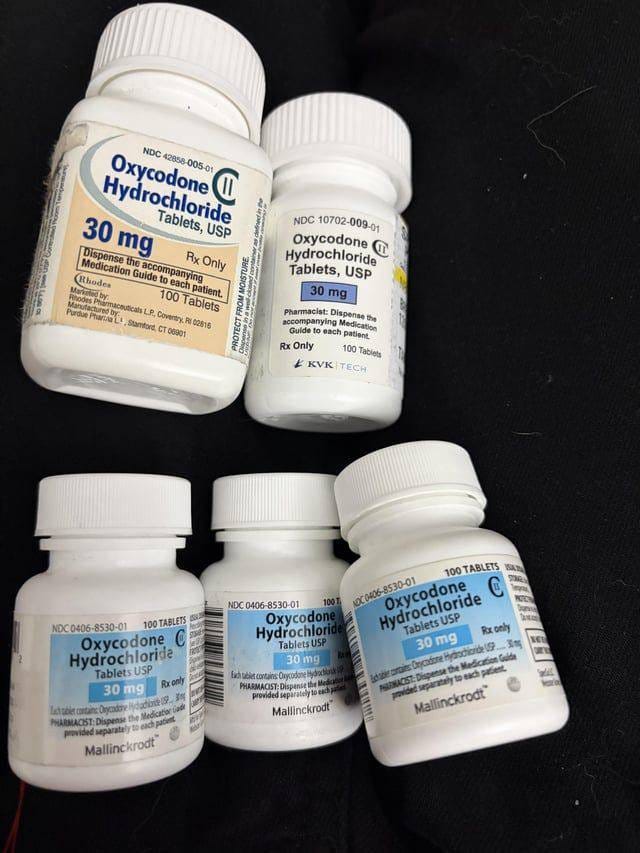
Oxycodone 10mg — Prescription Opioid Analgesic for Moderate to Severe Pain Relief
Oxycodone 10mg is a controlled-release or immediate-release oral opioid analgesic prescribed by healthcare professionals to manage moderate to severe pain that is not adequately controlled by other pain medications. It belongs to the opioid agonist class of drugs and works directly on the central nervous system to alter how the brain and body perceive and respond to pain signals.
This medication is available in multiple formulations — including tablets and extended-release capsules — and is typically prescribed for adults dealing with chronic pain conditions, post-surgical discomfort, cancer-related pain, or other significant pain syndromes requiring around-the-clock opioid therapy.
Oxycodone 10mg should only be used under the supervision of a licensed physician and with a valid prescription. It is a Schedule II controlled substance regulated by the Drug Enforcement Administration (DEA) in the United States and similarly regulated in many countries worldwide.
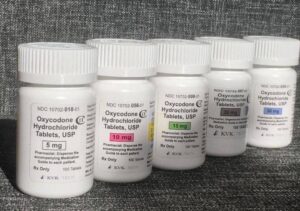
Product Overview
| Generic Name | Oxycodone Hydrochloride |
| Brand Names | OxyContin, Roxicodone, Oxaydo, Xtampza ER |
| Strength | 10 mg per tablet / capsule |
| Drug Class | Opioid Analgesic (Schedule II) |
| Form | Immediate-Release & Extended-Release Tablet / Capsule |
| Route of Administration | Oral |
| Prescription Required | Yes — Valid prescription mandatory |
| Manufacturer | Various (Purdue Pharma, Hikma, Mallinckrodt, others) |
| Storage | Store at 20°C–25°C (68°F–77°F); away from moisture and light |
| DEA Schedule | Schedule II Controlled Substance |
What Is Oxycodone 10mg? Understanding the Medication
Oxycodone is a semisynthetic opioid derived from thebaine, a naturally occurring compound found in the opium poppy plant. The 10mg strength represents a commonly prescribed starting dose for patients transitioning to opioid therapy or those with moderate pain intensity that requires stronger management than non-opioid alternatives can provide.
As an opioid agonist, oxycodone binds to mu-opioid receptors in the brain, spinal cord, and peripheral tissues. This binding reduces the transmission of pain signals and changes the emotional response to pain, providing significant relief for patients who suffer from debilitating conditions.
The medication is available in two primary release formats: Immediate-Release (IR) tablets that provide rapid onset of pain relief within 15–30 minutes and are typically dosed every 4–6 hours, and Extended-Release (ER) tablets designed to deliver pain relief over 12 hours, reducing the frequency of dosing required throughout the day.
How Oxycodone 10mg Works in the Body
Oxycodone acts centrally on the brain and spinal cord by binding to opioid receptors, particularly the mu (μ) receptor subtype. This interaction produces analgesic effects by inhibiting the ascending pain pathways and activating descending inhibitory pathways. The result is a modulation of the perception and emotional response to painful stimuli.
Beyond pain relief, oxycodone also produces secondary effects including sedation, anxiolysis, and euphoria — which are partly responsible for its high potential for misuse and dependence. These characteristics reinforce the necessity of strict physician oversight and responsible prescribing practices.
Indications and Medical Uses of Oxycodone 10mg
Oxycodone 10mg is indicated for the management of pain severe enough to require an opioid analgesic and for which alternative treatments are inadequate. Common approved and clinically recognized uses include:
- Chronic moderate-to-severe pain not responsive to non-opioid analgesics
- Cancer-related pain and palliative care pain management
- Post-operative pain following major surgeries such as orthopedic, cardiac, or abdominal procedures
- Musculoskeletal pain conditions such as severe arthritis or degenerative disc disease
- Neuropathic pain syndromes in select patients under specialist supervision
- Severe acute pain from traumatic injuries, fractures, or burns
The extended-release formulation of oxycodone 10mg is specifically intended for patients requiring continuous, around-the-clock opioid analgesia for extended periods. It is not intended for as-needed or breakthrough pain management.
Oxycodone 10mg Dosage and Administration Guidelines
Dosage of oxycodone 10mg must be individualized to each patient based on the severity of pain, prior opioid exposure, patient age, weight, comorbid medical conditions, and concurrent medications. Only a qualified healthcare provider can determine the appropriate dose.
Standard Dosage for Opioid-Naive Adults
For adults who are new to opioid therapy (opioid-naive), the typical starting dose of immediate-release oxycodone is 5–15mg every 4–6 hours as needed for pain. The 10mg dose is often used when initial therapy at lower doses does not provide adequate relief or when pain intensity warrants a higher starting point as assessed by the prescribing physician.
Extended-Release Oxycodone 10mg Dosing
The extended-release oxycodone 10mg tablet is taken orally every 12 hours. Tablets must be swallowed whole — they should never be crushed, chewed, broken, or dissolved. Altering the tablet compromises the extended-release mechanism and can result in rapid, potentially fatal opioid delivery.
Dose Titration
Physicians may gradually increase the dose by 25–50% every 1–2 days if pain relief is insufficient and the patient tolerates the current dose. Titration should be approached cautiously to minimize the risk of respiratory depression and other adverse effects.
Side Effects and Adverse Reactions of Oxycodone 10mg
Like all opioid analgesics, oxycodone 10mg carries a risk of side effects ranging from mild and manageable to serious and potentially life-threatening. Patients should be counseled thoroughly about these risks prior to initiating therapy.
Common Side Effects
- Nausea and vomiting — particularly at the start of therapy
- Constipation — a near-universal opioid side effect; prophylactic laxatives are often recommended
- Dizziness and lightheadedness
- Drowsiness and sedation
- Dry mouth
- Sweating
- Itching (pruritus)
- Headache
Serious and Potentially Life-Threatening Adverse Effects
- Respiratory depression — the most serious risk, potentially fatal, especially in opioid-naive patients or following dose escalation
- Opioid-induced androgen deficiency — with long-term use
- Adrenal insufficiency — rare but reported with opioid use
- Serotonin syndrome — when combined with serotonergic agents
- Hypotension and bradycardia
- Seizures — particularly in patients with a prior seizure history
- Severe allergic reactions including anaphylaxis
If you experience difficulty breathing, extreme drowsiness, confusion, or chest pain while taking oxycodone 10mg, seek emergency medical attention immediately. Keep naloxone (Narcan) accessible as a reversal agent for opioid overdose.
Warnings, Precautions, and Contraindications
Black Box Warning
Oxycodone carries an FDA Black Box Warning — the most serious warning issued for prescription medications — covering the following critical risks:
- Addiction, abuse, and misuse: Oxycodone exposes patients and other users to the risks of opioid addiction, abuse, and misuse, which can lead to overdose and death.
- Life-threatening respiratory depression: Serious, life-threatening, or fatal respiratory depression may occur. Monitor closely, especially upon initiation or following a dose increase.
- Neonatal opioid withdrawal syndrome: Prolonged use during pregnancy can result in neonatal opioid withdrawal syndrome, which may be life-threatening if not recognized and treated.
- Interactions with CNS depressants: Concomitant use with benzodiazepines or other CNS depressants, including alcohol, may result in profound sedation, respiratory depression, coma, and death.
- Accidental ingestion: Accidental ingestion of even one dose of oxycodone, especially by children, can result in a fatal overdose.
Contraindications
- Significant respiratory depression
- Acute or severe bronchial asthma without resuscitative equipment
- Known or suspected gastrointestinal obstruction, including paralytic ileus
- Hypersensitivity to oxycodone hydrochloride or any component of the formulation
Drug Interactions with Oxycodone 10mg
Oxycodone 10mg has several clinically significant drug interactions that may enhance its adverse effects or reduce its efficacy. Always inform your prescribing physician and pharmacist of all medications, supplements, and herbal products you are taking.
Drugs That Increase Oxycodone Toxicity
- Benzodiazepines (e.g., diazepam, lorazepam) — combined CNS and respiratory depression
- Alcohol — enhances sedative and respiratory depressant effects
- Other opioid analgesics — additive CNS depression
- Muscle relaxants (e.g., cyclobenzaprine, baclofen)
- Antipsychotics and antidepressants
- CYP3A4 inhibitors (e.g., ketoconazole, ritonavir) — increase oxycodone plasma levels
Drugs That Reduce Oxycodone Effectiveness
- CYP3A4 inducers (e.g., rifampin, carbamazepine, phenytoin) — decrease plasma concentrations
- Mixed opioid agonist-antagonists (e.g., buprenorphine, nalbuphine) — may reduce analgesic effect or precipitate withdrawal
Storage, Handling, and Disposal of Oxycodone 10mg
Oxycodone 10mg is a Schedule II controlled substance and must be stored and handled with the utmost care to prevent theft, misuse, and accidental ingestion by others.
Storage Instructions
- Store at controlled room temperature between 20°C and 25°C (68°F and 77°F)
- Keep away from moisture, heat, and direct light
- Store in the original, child-resistant container
- Keep out of reach of children and pets at all times
- Do not store in the bathroom or near the kitchen sink
Disposal Instructions
Unused or expired oxycodone should be disposed of promptly and safely. The FDA recommends using a medication take-back program, DEA-authorized collection sites, or — if no take-back option is available — mixing with an undesirable substance (such as dirt or used coffee grounds) and disposing in household trash in a sealed container. Flushing oxycodone down the toilet is an FDA-recommended last resort due to its high risk for diversion.
Frequently Asked Questions About Oxycodone 10mg
Is Oxycodone 10mg a Strong Opioid?
Yes. Oxycodone 10mg is considered a strong opioid analgesic. It is classified as a Schedule II controlled substance due to its high potential for abuse and dependence. For context, oxycodone is approximately 1.5 times more potent than oral morphine on a milligram-per-milligram basis.
Can I Take Oxycodone 10mg With Food?
Yes. Oxycodone 10mg can be taken with or without food. However, taking it with food may help reduce nausea, a common side effect. Avoid consuming grapefruit or grapefruit juice while taking oxycodone, as it may increase drug levels in the bloodstream through CYP3A4 inhibition.
What Should I Do If I Miss a Dose?
If you are on a scheduled dosing regimen and miss a dose, take it as soon as you remember — unless it is nearly time for your next scheduled dose. In that case, skip the missed dose and resume your regular schedule. Never double your dose to make up for a missed one.
How Long Does Oxycodone 10mg Stay in Your System?
The immediate-release form of oxycodone has a half-life of approximately 3–5 hours, while the extended-release form has a longer half-life. Oxycodone can typically be detected in urine for 3–4 days after the last dose, in blood for up to 24 hours, and in saliva for 1–4 days. Hair follicle tests may detect use for up to 90 days.
| Quantity | 60 pills, 180 pills, 300 pills, 420 pills, 540 pills |
|---|
2 reviews for buy oxycodone 10mg
Add a review
Related products
PAIN RELIEF

PAIN RELIEF
PAIN RELIEF
PAIN RELIEF
PAIN RELIEF
PAIN RELIEF

Molly Mae –
touchdown achieved! Super easy order, arrived in 2 days flat. Real strength, real relief, and completely discreet. I’m smiling from ear to ear — excellent job team!
Ibo –
Loved how straightforward the ordering process was. Oxycodone arrived right on time with successful delivery. No customs hassle, great packaging, and the meds are effective and gentle.