
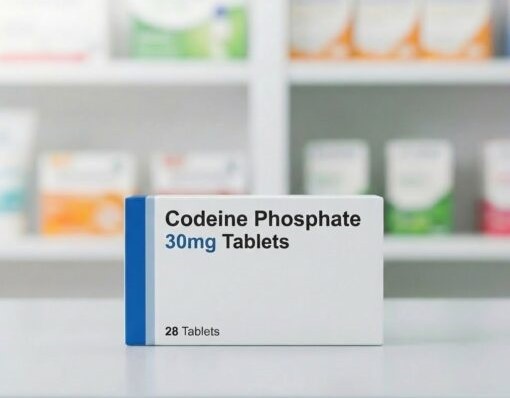
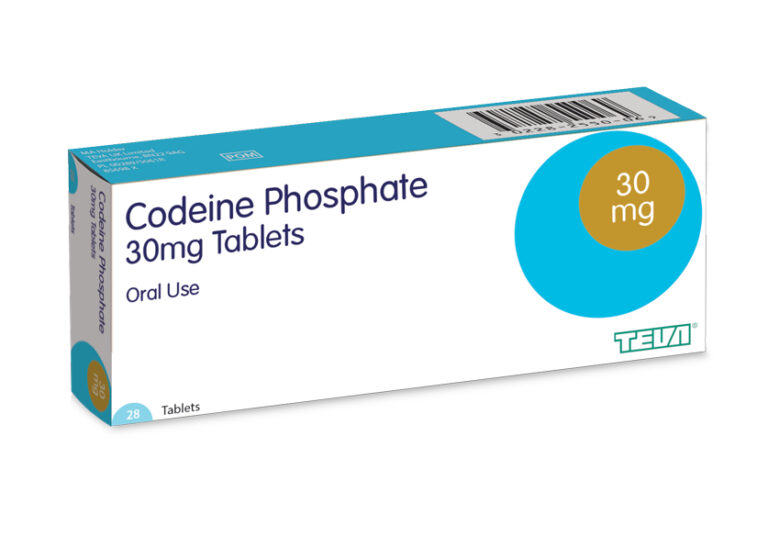



Codeine Phosphate 30mg — Opioid Analgesic & Antitussive for Pain Relief and Cough Suppression
Codeine Phosphate 30mg is a widely prescribed opioid analgesic and antitussive (cough suppressant) used in the management of mild to moderate pain and the relief of non-productive cough. As the phosphate salt of codeine, this formulation offers reliable oral bioavailability and predictable pharmacokinetics, making it a foundational medication in pain management and respiratory symptom care within primary care and hospital settings worldwide.
Codeine belongs to the phenanthrene class of opioid alkaloids and is derived naturally from the opium poppy plant (Papaver somniferum). It is classified as a prodrug, requiring hepatic conversion to morphine via the cytochrome P450 2D6 (CYP2D6) enzyme pathway to exert the majority of its analgesic effect. This metabolic dependency means that codeine’s clinical efficacy and risk profile vary considerably between individuals based on their CYP2D6 genetic phenotype.
Codeine Phosphate 30mg is a Schedule V controlled substance in the United States for certain combination products, and Schedule II or III depending on formulation and jurisdiction. It is included on the World Health Organization’s Model List of Essential Medicines as a core analgesic and antitussive agent. Across international markets, codeine-containing products are subject to varying levels of regulatory control, from over-the-counter availability at low doses to strict prescription-only requirements at the 30mg strength.
.
Product Overview & Key Specifications
| Generic Name | Codeine Phosphate |
| Chemical Name | Morphinan-6-ol, 7,8-didehydro-4,5-epoxy-3-methoxy-17-methyl-, (4R,4aR,7S,7aR,12bS)-, phosphate (1:1) |
| CAS Number | 52-28-8 |
| Molecular Formula | C18H21NO3 · H3PO4 |
| Molecular Weight | 397.36 g/mol |
| Strength | 30 mg per tablet |
| Drug Class | Opioid Analgesic; Antitussive; Phenanthrene Alkaloid |
| Mechanism | Mu-opioid receptor agonist (via morphine metabolite); central cough reflex suppression |
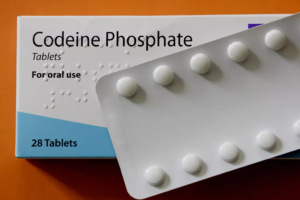
| Dosage Form | White to off-white round or scored tablet |
| Route of Administration | Oral |
| DEA Schedule | Schedule II (single-ingredient), Schedule III/V (combination products) |
| WHO Essential Medicine | Yes |
| Prescription Required | Yes — at 30mg strength in all jurisdictions |
| Storage Conditions | Store at 20–25°C; protect from light and moisture |
| Half-Life | 2.5–3.5 hours (codeine); 2–3 hours (morphine metabolite) |
| Onset of Action | 30–60 minutes (oral) |
| Duration of Effect | 4–6 hours |
What Is Codeine Phosphate 30mg? Drug Profile & Background
Codeine Phosphate 30mg is the phosphate salt form of codeine — a naturally occurring opium alkaloid that has been used medicinally for over 150 years. As one of the most commonly prescribed opioid analgesics globally, codeine occupies an important position on the WHO analgesic ladder as a Step 2 (mild to moderate opioid) agent, bridging the gap between non-opioid analgesics such as paracetamol and NSAIDs and stronger opioids like morphine or oxycodone.
At the 30mg tablet strength, codeine phosphate is typically prescribed for pain that is not adequately controlled by non-opioid analgesics alone, or as a standalone antitussive for persistent dry cough unresponsive to first-line treatments. It is frequently combined with paracetamol (acetaminophen) or ibuprofen in co-formulated products to provide synergistic analgesic effects while keeping opioid doses at a minimum.
Codeine’s prodrug nature distinguishes it from most other opioids. Approximately 5–15% of an oral codeine dose is O-demethylated in the liver by CYP2D6 to morphine, which is the pharmacologically active metabolite responsible for the majority of analgesic effect. The remainder undergoes N-demethylation to norcodeine and glucuronidation to codeine-6-glucuronide, both of which have weak opioid activity. This metabolic pathway creates clinically significant variability in drug response based on the patient’s CYP2D6 genetic status.
Pharmacological Mechanism of Action
Codeine Phosphate 30mg exerts its primary pharmacological effects through two distinct but interrelated mechanisms: opioid receptor agonism (mediated largely through its morphine metabolite) and direct suppression of the central cough reflex.
- Opioid analgesia: Morphine, generated from codeine by CYP2D6 metabolism, binds to mu-opioid receptors (MOR) in the brain, spinal cord, and peripheral tissues. This binding activates inhibitory G-protein signaling cascades, reducing adenylyl cyclase activity, decreasing neuronal excitability, and inhibiting both ascending pain transmission and the emotional response to pain.
- Cough suppression: Codeine acts directly on the cough center in the medulla oblongata, raising the threshold for cough reflex activation. Unlike its analgesic effects, which depend largely on morphine conversion, the antitussive mechanism of codeine appears to be a more direct action and is less dependent on CYP2D6 metabolism.
- Additional opioid effects: Through opioid receptor activity, codeine also produces sedation, respiratory depression (dose-dependent), reduced gastrointestinal motility (leading to constipation), and mood alteration — all characteristic of the opioid drug class.
CYP2D6 Pharmacogenomics and Clinical Implications
The CYP2D6 enzyme system responsible for converting codeine to morphine exhibits significant genetic polymorphism across human populations. Patients are classified into four metabolizer phenotypes, each with distinct clinical implications for codeine therapy:
- Poor Metabolizers (PMs): Approximately 5–10% of Caucasian populations carry CYP2D6 loss-of-function alleles. These patients produce little or no morphine from codeine, resulting in inadequate analgesia. Codeine is largely ineffective for pain management in this group.
- Intermediate Metabolizers (IMs): Reduced CYP2D6 activity results in lower-than-normal morphine production and potentially subtherapeutic analgesic response. Represents a significant proportion of the population.
- Extensive Metabolizers (EMs): Normal CYP2D6 activity produces standard morphine levels and the expected analgesic response. This is the most common phenotype.
- Ultra-Rapid Metabolizers (URMs): CYP2D6 gene duplication results in accelerated conversion of codeine to morphine. These patients — representing 1–2% of most populations, and up to 29% in some North African and Middle Eastern populations — are at high risk of morphine toxicity, potentially fatal respiratory depression, and overdose even at standard codeine doses.
Approved Indications and Clinical Uses of Codeine Phosphate 30mg
Codeine Phosphate 30mg has two primary clinical applications: analgesia for mild to moderate pain and antitussive therapy for non-productive cough. It is also used adjunctively in the management of diarrhea and as a component of combination analgesic regimens.
1. Mild to Moderate Pain Management
Codeine Phosphate 30mg is indicated as a Step 2 analgesic on the WHO pain ladder for pain not adequately controlled by non-opioid agents alone. It is used across a broad spectrum of acute and chronic pain conditions where a moderate-strength opioid is clinically appropriate.
- Post-operative pain following minor to moderate surgical procedures
- Musculoskeletal pain including back pain, arthritis, and injury-related pain
- Dental pain and post-extraction analgesia
- Headache and migraine not responsive to first-line treatments
- Cancer pain at the mild to moderate stage of the WHO analgesic ladder
- Acute pain from soft tissue injuries, sprains, and strains
- Renal and biliary colic — though with caution due to smooth muscle effects
2. Non-Productive Cough Suppression (Antitussive)
Codeine phosphate is one of the most clinically validated antitussive agents available. It is indicated for persistent dry, non-productive cough that is distressing, interferes with sleep, or has not responded to first-line remedies. Its central mechanism of action directly reduces the hyperactive cough reflex.
- Persistent non-productive cough associated with upper respiratory tract infections
- Post-infectious cough (cough persisting after resolution of respiratory infection)
- Cough associated with irritants, allergic rhinitis, or non-specific airway irritation
- Palliative cough suppression in advanced malignancy or terminal illness
3. Symptomatic Relief of Diarrhea
Through its inhibitory effect on gastrointestinal motility via opioid receptors in the enteric nervous system, codeine reduces intestinal peristalsis, increases intestinal transit time, and enhances water and electrolyte absorption. While not a primary indication for codeine phosphate tablets, this property is utilized in clinical practice for the short-term symptomatic management of diarrhea unresponsive to first-line antidiarrheal agents.
Codeine Phosphate 30mg Dosage & Administration Guidelines
Dosage of Codeine Phosphate 30mg must be individualized based on the clinical indication, pain severity, patient age, renal and hepatic function, CYP2D6 metabolizer status (where known), and concurrent medications. Only a licensed healthcare professional should determine the appropriate dose and duration of therapy.
Adult Dosage — Analgesia
The standard adult dose of codeine phosphate for pain relief is 30mg (one tablet) every 4–6 hours as needed. The maximum recommended single dose is 60mg, and the maximum daily dose should not exceed 240mg in 24 hours. Lower starting doses of 15–30mg are recommended for opioid-naive patients, the elderly, or those with renal or hepatic impairment. Pain should be reassessed regularly, and treatment should use the lowest effective dose for the shortest duration necessary.
Adult Dosage — Antitussive (Cough Suppression)
For cough suppression, lower doses than those used for analgesia are typically effective. The standard antitussive dose is 15–30mg (half to one 30mg tablet) every 4–6 hours as needed. Maximum antitussive dose is generally 120mg per 24 hours. Codeine should not be used for cough suppression for longer than 5 days without medical review, and should never be used for productive cough where expectoration is clinically beneficial.
Pediatric Use — Important Restrictions
Codeine is contraindicated in children under 12 years of age for all indications. It is also contraindicated in children and adolescents under 18 years of age following tonsillectomy and/or adenoidectomy for obstructive sleep apnea. These restrictions were strengthened by the FDA in 2013 and 2017 following reports of fatal respiratory depression in pediatric patients — particularly ultra-rapid CYP2D6 metabolizers — following standard codeine doses. The FDA further advises against codeine use in adolescents aged 12–18 who are obese or have respiratory compromise.
Dosage in Special Populations
- Elderly patients: Initiate at 50% of the standard adult dose; increased sensitivity to opioid effects and higher risk of adverse reactions including falls, respiratory depression, and cognitive impairment.
- Renal impairment: Reduce dose and extend dosing intervals; codeine and its active metabolites accumulate with declining renal function.
- Hepatic impairment: Use with caution; altered CYP2D6 metabolism may affect conversion to morphine unpredictably; monitor closely.
- Opioid-naive patients: Begin at lower doses (15mg) and titrate cautiously to effect.
Side Effects and Adverse Reactions of Codeine Phosphate 30mg
Codeine Phosphate 30mg shares the opioid class adverse effect profile, with additional considerations related to its prodrug metabolism and individual pharmacogenomic variability. Adverse effects are generally dose-dependent and more pronounced in opioid-naive patients initiating therapy.
Common Side Effects
- Constipation — the most consistent and dose-dependent opioid side effect; occurs in the majority of patients and does not diminish with tolerance; prophylactic laxative therapy is strongly recommended
- Nausea and vomiting — common at initiation of therapy; typically diminishes after 1–2 weeks; antiemetic pretreatment may be considered
- Drowsiness and sedation — may impair ability to drive or operate machinery
- Dizziness and lightheadedness — particularly on standing (orthostatic hypotension)
- Dry mouth (xerostomia)
- Sweating (diaphoresis)
- Pruritus (itching) — particularly facial
- Headache
- Confusion or cognitive impairment — more pronounced in elderly patients
Serious and Potentially Life-Threatening Adverse Effects
- Respiratory depression — the most dangerous opioid class effect; risk is significantly elevated in ultra-rapid CYP2D6 metabolizers, children, the elderly, and patients with pulmonary disease; may be fatal
- Opioid toxicity in ultra-rapid metabolizers — even therapeutic doses can produce toxic morphine concentrations; presents as extreme drowsiness, confusion, shallow breathing, or pinpoint pupils
- Opioid dependence and withdrawal — physical dependence develops with regular use; abrupt discontinuation precipitates a withdrawal syndrome
- Anaphylaxis and serious allergic reactions — urticaria, angioedema, bronchospasm
- Seizures — particularly in patients with seizure disorders or when combined with seizure threshold-lowering drugs
- Serotonin syndrome — when combined with serotonergic medications
Warnings, Contraindications & Critical Safety Precautions
FDA Black Box Warning
Codeine Phosphate carries an FDA Black Box Warning covering the following critical safety concerns that all prescribers, dispensers, and patients must be fully aware of before initiating therapy:
- Addiction, abuse, and misuse: Codeine phosphate exposes users to the risks of opioid addiction, abuse, and misuse, which can lead to overdose and death. Assess each patient’s risk before prescribing and monitor regularly for development of these behaviors.
- Life-threatening respiratory depression: Serious, life-threatening, or fatal respiratory depression can occur. Monitor patients closely, especially upon initiation and dose increases. Instruct patients to swallow tablets whole to avoid exposure to a potentially fatal dose.
- Ultra-rapid metabolism of codeine and other risk factors for life-threatening respiratory depression in children: Deaths have been reported in children who received codeine following tonsillectomy and/or adenoidectomy. In each case, evidence suggested the children had CYP2D6 ultra-rapid metabolizer status.
- Neonatal opioid withdrawal syndrome: Prolonged use of codeine during pregnancy can result in neonatal opioid withdrawal syndrome, which may be life-threatening if not recognized and treated.
- Interactions with CNS depressants: Concomitant use with benzodiazepines or other CNS depressants including alcohol may result in profound sedation, respiratory depression, coma, and death.
Contraindications
- Children under 12 years of age — all indications
- Patients under 18 years following tonsillectomy and/or adenoidectomy
- Significant respiratory depression or acute asthmatic attack
- Paralytic ileus or acute abdomen
- Known CYP2D6 ultra-rapid metabolizer status — significantly elevated risk of fatal morphine toxicity
- Concurrent use of monoamine oxidase inhibitors (MAOIs) or within 14 days of stopping MAOIs
- Known hypersensitivity to codeine or any opioid analgesic
- Breastfeeding mothers — risk of infant morphine exposure via breast milk in ultra-rapid metabolizers
Drug Interactions With Codeine Phosphate 30mg
Codeine Phosphate 30mg is subject to both pharmacokinetic and pharmacodynamic drug interactions. Clinicians must review a complete medication list before prescribing and counsel patients about the risks of unsupervised co-administration.
Pharmacodynamic Interactions — CNS Depression
- Benzodiazepines (e.g., diazepam, alprazolam, lorazepam): Combined opioid and benzodiazepine use is associated with a 3–4 fold increased risk of fatal overdose compared to opioid use alone; the FDA has issued a specific warning against this combination unless no alternatives exist
- Alcohol: Enhances CNS and respiratory depression; significantly elevates overdose risk; patients must be explicitly counseled to avoid alcohol
- Other opioid analgesics: Additive respiratory depression and CNS effects
- Tricyclic antidepressants and antipsychotics: Enhanced sedation and increased risk of respiratory depression
- Muscle relaxants (e.g., cyclobenzaprine, baclofen, carisoprodol): Additive CNS depression
- Antihistamines with sedative properties (e.g., diphenhydramine, promethazine): Additive sedation
Pharmacokinetic Interactions — CYP2D6 Pathway
- CYP2D6 inhibitors (e.g., fluoxetine, paroxetine, bupropion, quinidine): Block conversion of codeine to morphine; may reduce analgesic efficacy and convert extensive metabolizers to a poor metabolizer phenotype
- CYP2D6 inducers (e.g., rifampicin, dexamethasone): May increase codeine metabolism; clinical significance variable
- CYP3A4 inhibitors (e.g., ketoconazole, ritonavir, erythromycin): Inhibit N-demethylation of codeine, potentially increasing codeine exposure
Serotonergic Interactions
- MAOIs (e.g., phenelzine, tranylcypromine, linezolid, methylene blue): Potentially fatal interactions including severe serotonin syndrome; codeine is absolutely contraindicated with MAOIs and within 14 days of MAOI discontinuation
- SSRIs and SNRIs: Risk of serotonin syndrome, particularly at higher doses; monitor closely if combination is unavoidable
- Triptans and other serotonergic agents: Monitor for signs of serotonin toxicity
Storage, Handling & Disposal of Codeine Phosphate 30mg
Storage Requirements
- Store at controlled room temperature: 20°C to 25°C (68°F to 77°F)
- Protect from light — store in the original amber or opaque container
- Protect from moisture and humidity — do not store in bathrooms
- Keep out of reach of children and pets — accidental ingestion can be fatal in non-opioid-tolerant individuals
- Store in a locked cabinet or secure location to prevent unauthorized access or diversion
- Do not remove from original packaging until time of use
Controlled Substance Security Requirements
As a controlled substance, codeine phosphate 30mg tablets must be stored in compliance with DEA and state-level controlled substance regulations. Pharmacies, hospitals, and other registrants must maintain accurate dispensing records, conduct regular inventory counts, and report any theft or significant loss to the DEA promptly. Patients should keep unused tablets secured and never share their medication with others.
Safe Disposal
Unused or expired codeine phosphate tablets should be disposed of promptly using a DEA-authorized medication take-back program or collection site. If no take-back option is available, tablets should be mixed with an unpalatable substance such as dirt, cat litter, or used coffee grounds, placed in a sealed container, and disposed of in household trash. Flushing codeine tablets is an FDA-listed last-resort disposal option given the significant diversion risk associated with this opioid.
Frequently Asked Questions About Codeine Phosphate 30mg
How Strong Is Codeine Phosphate 30mg Compared to Other Opioids?
Codeine Phosphate 30mg is a moderate-strength opioid occupying Step 2 of the WHO analgesic ladder. In terms of equianalgesic potency, codeine is approximately one-tenth the potency of morphine when administered orally — meaning 30mg of codeine is roughly equivalent to 3mg of oral morphine in analgesic effect for extensive CYP2D6 metabolizers. It is significantly less potent than oxycodone, hydromorphone, or fentanyl and is therefore appropriate for mild to moderate pain not requiring stronger opioid therapy.
Can Codeine Phosphate 30mg Be Taken With Paracetamol?
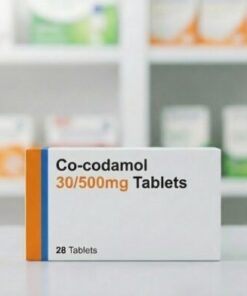
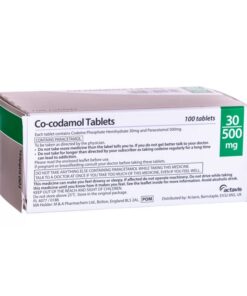
Yes. Co-administration of codeine phosphate with paracetamol (acetaminophen) is one of the most common and well-established analgesic combinations in clinical practice. The two agents work through entirely different mechanisms — codeine via opioid receptor agonism and paracetamol via central prostaglandin inhibition and endocannabinoid modulation — producing additive analgesic effects that allow effective pain control at lower individual doses of each drug. Many commercially available combination tablets (e.g., co-codamol 30/500) contain 30mg codeine and 500mg paracetamol per tablet. The maximum daily paracetamol dose (4g in adults) must always be observed when using combination products.
How Long Does Codeine Phosphate 30mg Stay in Your System?
Codeine itself has a plasma half-life of approximately 2.5–3.5 hours. Following a single 30mg oral dose, codeine is largely cleared from plasma within 12–15 hours. However, its active metabolite morphine and morphine glucuronide conjugates may persist for longer periods, particularly in patients with renal impairment. For drug testing purposes: codeine is detectable in urine for 24–48 hours (up to 72 hours in some individuals), in blood for 12–24 hours, in saliva for up to 21 hours, and in hair follicles for up to 90 days.
Is Codeine Phosphate 30mg Habit-Forming?
Yes. Codeine Phosphate 30mg has a recognized potential for physical dependence, psychological dependence, and addiction — characteristic risks of all opioid analgesics. Physical dependence develops with regular use and manifests as a withdrawal syndrome upon abrupt discontinuation, including symptoms such as restlessness, muscle aches, insomnia, anxiety, sweating, and gastrointestinal disturbance. Addiction risk is influenced by genetic predisposition, personal or family history of substance use disorder, co-occurring psychiatric conditions, and duration of use. Codeine should always be prescribed at the lowest effective dose for the shortest clinically necessary duration, with regular reassessment.
| Quantity | 100 pills, 200 pills, 300 pills, 400 pills, 500 pills, 1000 pills, 2000 pills |
|---|
2 reviews for Codeine Phosphate 30mg
Add a review
Related products
PAIN RELIEF
PAIN RELIEF

PAIN RELIEF

PAIN RELIEF

PAIN RELIEF


PAIN RELIEF

frank –
Fantastic experience with express home pharmacy. The meds arrived quickly, were exactly as described, and the whole process was hassle-free. Keep up the great work.
Daisy Jade –
touchdown achieved! Easy website, quick delivery, and the relief was instant and strong. Packaging was completely private. Real quality meds at a fair price — I’m a repeat customer for sure!