
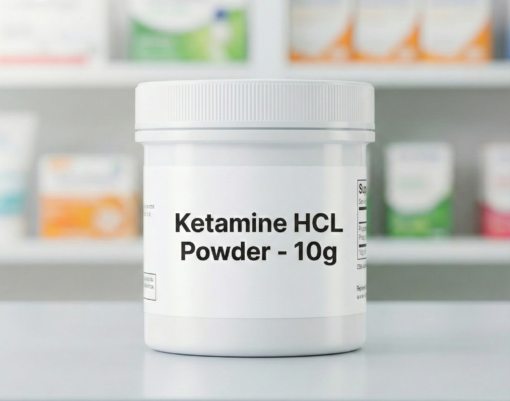

Ketamine HCL Powder — Dissociative Anesthetic for Medical, Veterinary & Research Applications
Ketamine HCL Powder (Ketamine Hydrochloride) is a fast-acting dissociative anesthetic and analgesic that has been used in clinical medicine for over five decades. Originally synthesized in 1962 and approved by the U.S. Food and Drug Administration (FDA) in 1970, ketamine remains a foundational medication on the World Health Organization’s List of Essential Medicines due to its unmatched versatility across human and veterinary medicine.
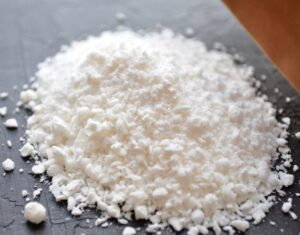
In powdered hydrochloride salt form, ketamine HCL is a white to off-white crystalline substance that is highly water-soluble, making it adaptable for reconstitution into injectable solutions, compounded formulations, intranasal preparations, and research-grade applications. Its unique pharmacological profile — providing anesthesia, analgesia, and amnesia without significant respiratory depression at standard doses — distinguishes it from most other anesthetic agents.
Ketamine HCL Powder is a Schedule III controlled substance under the U.S. Controlled Substances Act and is similarly regulated in most countries worldwide. Procurement, handling, storage, and administration must comply with all applicable federal, state, and institutional regulations. This product is intended exclusively for licensed medical professionals, veterinarians, compounding pharmacists, and credentialed research institutions.
Product Overview & Specifications
| Generic Name | Ketamine Hydrochloride (Ketamine HCL) |
| Chemical Name | (RS)-2-(2-Chlorophenyl)-2-(methylamino)cyclohexan-1-one HCl |
| CAS Number | 1867-66-9 |
| Molecular Formula | C13H16ClNO · HCl |
| Molecular Weight | 274.19 g/mol |
| Form | White to off-white crystalline powder |
| Purity | ≥ 99% (pharmaceutical / research grade) |
| Solubility | Freely soluble in water; soluble in methanol and ethanol |
| Drug Class | Dissociative Anesthetic / NMDA Receptor Antagonist |
| DEA Schedule | Schedule III Controlled Substance |
| Common Brand Names | Ketalar, Ketaset, Vetalar, Ketaject |
| Routes of Administration | IV, IM, Intranasal, Oral, Subcutaneous (reconstituted) |
| Storage Conditions | Store at 15–30°C; protect from light and moisture |
What Is Ketamine HCL Powder? A Comprehensive Overview
Ketamine Hydrochloride is the salt form of ketamine — a compound that belongs to the arylcyclohexylamine class of drugs. In its powdered form, ketamine HCL is the raw pharmaceutical-grade material used by compounding pharmacies, research laboratories, and licensed medical facilities to prepare sterile formulations for clinical or investigational use.
Unlike many anesthetic agents, ketamine produces a distinctive state known as dissociative anesthesia — a condition in which the patient remains conscious and maintains protective airway reflexes, yet is fully detached from their environment and insensible to pain. This property makes it particularly valuable in emergency medicine, battlefield trauma care, and low-resource settings where complex anesthesia infrastructure may not be available.
The hydrochloride salt form ensures high stability and excellent water solubility, facilitating precise dosing when reconstituted. Pharmaceutical-grade ketamine HCL powder typically achieves purity levels of 99% or greater, meeting or exceeding United States Pharmacopeia (USP) and European Pharmacopoeia (EP) standards for clinical and research applications.
Pharmacological Mechanism of Action
Ketamine’s primary mechanism of action is non-competitive antagonism of the N-methyl-D-aspartate (NMDA) receptor, a subtype of glutamate receptor in the central nervous system. By blocking NMDA receptors, ketamine interrupts excitatory neurotransmission, producing its characteristic anesthetic, analgesic, and amnesic effects.
Secondary mechanisms include interactions with opioid receptors (mu, delta, and kappa subtypes), sigma receptors, muscarinic acetylcholine receptors, voltage-gated sodium and calcium channels, and monoaminergic systems. These additional receptor interactions contribute to ketamine’s complex pharmacological profile, including its emerging antidepressant effects, bronchodilation, and cardiovascular stimulant properties.
Uniquely among anesthetic agents, ketamine stimulates the cardiovascular system rather than depressing it. It increases heart rate, blood pressure, and cardiac output by stimulating the sympathetic nervous system — a property that makes it particularly useful in hemodynamically unstable patients or those in hypovolemic shock.
Medical and Clinical Uses of Ketamine HCL Powder
Ketamine HCL Powder has one of the broadest application profiles of any pharmaceutical compound. Its uses span across emergency medicine, anesthesiology, pain management, psychiatry, veterinary medicine, and scientific research.
Anesthesia and Procedural Sedation
Ketamine is widely used as a sole anesthetic agent for short surgical and diagnostic procedures, particularly in settings where conventional anesthetic infrastructure is unavailable. It is the anesthetic of choice in emergency field medicine, humanitarian crises, and pediatric procedural sedation due to its preservation of protective airway reflexes and cardiovascular stability.
- Induction and maintenance of general anesthesia
- Procedural sedation for wound debridement, fracture reduction, and burn care
- Emergency anesthesia in hemodynamically compromised patients
- Pediatric sedation for imaging procedures such as MRI and CT scans
- Supplemental analgesia during regional anesthetic techniques
Pain Management Applications
Subanesthetic doses of ketamine (doses below those required for full anesthetic effect) provide powerful analgesic effects through NMDA receptor blockade. This property is particularly valuable for managing opioid-resistant pain and reducing opioid consumption in the perioperative setting.
- Acute post-operative pain management and opioid-sparing strategies
- Chronic neuropathic pain syndromes including complex regional pain syndrome (CRPS)
- Cancer pain refractory to standard opioid therapy
- Phantom limb pain management
- Procedural pain control in burn units and wound care centers
- Opioid-tolerant patient pain management in palliative care
Psychiatric and Mental Health Applications
Perhaps the most rapidly expanding clinical use of ketamine is in psychiatry, where IV infusions of racemic ketamine and the FDA-approved intranasal esketamine (Spravato) have demonstrated rapid antidepressant effects — often within hours — in patients with treatment-resistant depression and acute suicidal ideation.
- Treatment-resistant major depressive disorder (TRD)
- Bipolar depression unresponsive to conventional mood stabilizers
- Post-traumatic stress disorder (PTSD) — investigational
- Obsessive-compulsive disorder (OCD) — investigational
- Anxiety disorders — investigational
- Acute suicidal ideation requiring rapid intervention
Veterinary Medicine Applications
Ketamine is one of the most extensively used anesthetics in veterinary practice worldwide. It is used across species for induction, maintenance of short-duration anesthesia, and procedural sedation, typically in combination with a sedative agent such as xylazine or medetomidine.
- Feline and equine anesthesia induction
- Small animal surgery and diagnostic procedures
- Wildlife immobilization and capture in field settings
- Zoo and exotic animal medicine
Dosage, Reconstitution & Administration Guidelines
Ketamine HCL Powder must be reconstituted into a sterile solution before clinical administration. Dosing is highly variable depending on the intended clinical application, patient weight, age, comorbidities, concurrent medications, and the route of administration. Only qualified healthcare professionals with appropriate training should administer ketamine.
Reconstitution of Ketamine HCL Powder
To prepare an injectable solution from ketamine HCL powder, dissolve the powder in sterile water for injection (SWFI) or normal saline (0.9% NaCl) to the desired concentration. Common concentrations used clinically include 10 mg/mL (for pediatric use or infusions), 50 mg/mL (standard), and 100 mg/mL (high-concentration). All reconstitution must be performed aseptically in a laminar flow hood or compounding clean room by a licensed compounding pharmacist or qualified professional.
Human Dosage Reference (Clinical Use Only)
The following dosing ranges are provided for informational purposes only. Actual dosing must be determined by the prescribing clinician based on individual patient assessment:
- Induction of anesthesia (IV): 1–4.5 mg/kg administered slowly over 60 seconds
- Induction of anesthesia (IM): 6.5–13 mg/kg for surgical anesthesia onset in 3–4 minutes
- Subanesthetic analgesia (IV infusion): 0.1–0.5 mg/kg/hour
- Antidepressant infusion protocol: 0.5 mg/kg IV over 40 minutes (typical psychiatric protocol)
- Procedural sedation (IV): 0.5–1 mg/kg titrated to effect
- Intranasal (compounded): 0.5–1 mg/kg per nostril using a mucosal atomization device
Maintenance and Repeat Dosing
Anesthesia may be maintained by administering additional incremental doses of one-half to the full induction dose as needed. Total cumulative doses exceeding 10–12 mg/kg IM or equivalent IV doses are associated with prolonged recovery and increased adverse effects. Continuous infusion protocols are preferred for extended procedures or subanesthetic analgesic applications.
Side Effects and Adverse Reactions of Ketamine HCL
Ketamine is generally well tolerated when used appropriately in clinical settings, but carries a well-documented adverse effect profile that clinicians and researchers must be aware of before administration.
Common Adverse Effects
- Emergence reactions — vivid dreams, hallucinations, or dissociative experiences during recovery (most common; incidence reduced by co-administration of benzodiazepines)
- Nausea and vomiting — particularly with higher doses or IM administration
- Increased salivation and secretions — anticholinergic pretreatment (e.g., atropine or glycopyrrolate) may be used prophylactically
- Transient elevation of blood pressure, heart rate, and cardiac output
- Increased intraocular and intracranial pressure — use with caution in susceptible patients
- Dizziness and ataxia during recovery
- Laryngospasm — rare but possible, particularly in pediatric patients
Adverse Effects With Long-Term or High-Frequency Use
- Ketamine cystitis (ketamine-induced uropathy) — ulcerative cystitis with severe bladder contraction, seen in recreational abusers using very high chronic doses
- Hepatotoxicity — elevated liver enzymes with chronic use
- Cognitive impairment — working memory deficits and frontal lobe dysfunction with prolonged misuse
- Psychological dependence and tolerance — particularly in the context of misuse or self-administered psychiatric protocols without professional oversight
Warnings, Contraindications & Special Precautions
Key Clinical Warnings
- Emergence reactions: Patients may experience vivid, often unpleasant dreams, hallucinations, and psychological disturbances during emergence from anesthesia. The incidence and severity may be reduced by co-administering a benzodiazepine such as midazolam and by providing a quiet, low-stimulation recovery environment.
- Cardiovascular stimulation: Due to sympathomimetic activity, ketamine may be hazardous in patients with uncontrolled hypertension, significant cardiac disease, or history of stroke. Avoid in patients for whom elevation in blood pressure would constitute a serious risk.
- Intracranial pressure: Ketamine may increase cerebrospinal fluid pressure. Use with extreme caution — or avoid — in patients with known or suspected elevated intracranial pressure.
- Respiratory monitoring: While ketamine preserves spontaneous respiration at standard doses, high doses or rapid IV administration may cause transient apnea. Resuscitative equipment must always be immediately available.
- Misuse and diversion: As a Schedule III controlled substance with dissociative and hallucinogenic properties, ketamine carries a recognized risk for illicit misuse, diversion, and abuse. Strict inventory controls, chain-of-custody documentation, and secure storage are mandatory.
Contraindications
- Conditions in which a significant rise in blood pressure would be hazardous (e.g., hypertensive crisis, severe cardiovascular disease, history of stroke or cerebral hemorrhage)
- Known hypersensitivity to ketamine hydrochloride or any excipient
- Procedures involving the pharynx, larynx, or bronchial tree without appropriate airway protection
- Acute psychosis or schizophrenia — may exacerbate psychotic symptoms
Drug Interactions With Ketamine HCL Powder
Ketamine interacts with a variety of pharmacological agents. Clinicians must review a patient’s complete medication list before administering ketamine and monitor closely for interaction effects during and after administration.
Agents That Enhance Ketamine Effects
- Benzodiazepines (e.g., midazolam, diazepam) — prolong sedation and reduce emergence reactions; used therapeutically
- Opioids — additive CNS depression and analgesic potentiation; use with dose reduction
- Propofol and other IV anesthetics — synergistic CNS depression
- Halothane and volatile anesthetics — may attenuate ketamine’s cardiovascular stimulant effects and prolong anesthetic duration
- Barbiturates and other CNS depressants — additive sedation
Agents That Reduce Ketamine Efficacy or Increase Risk
- Thyroid hormones — may increase risk of hypertension and tachycardia
- Theophylline — may lower seizure threshold when combined with ketamine
- Monoamine oxidase inhibitors (MAOIs) — potentially dangerous cardiovascular interactions; avoid concurrent use
- Neuromuscular blocking agents — concurrent use requires full ventilatory support
Storage, Handling, Security & Disposal of Ketamine HCL Powder
As a Schedule III controlled substance, ketamine HCL powder is subject to strict regulatory requirements governing storage, handling, security, record-keeping, and disposal. Non-compliance may result in license revocation, significant financial penalties, and criminal prosecution.
Storage Requirements
- Store at controlled room temperature: 15°C to 30°C (59°F to 86°F)
- Protect from direct light, excessive heat, and moisture — store in a tightly sealed, opaque container
- Reconstituted solutions should be stored at 2°C to 8°C (refrigerated) and used within the compounded preparation’s assigned beyond-use date
- Store in a DEA-compliant, locked, substantially constructed cabinet or vault separate from non-controlled substances
- Restrict access to authorized personnel only; maintain a current, accurate controlled substance inventory log
Handling Precautions
- Use appropriate personal protective equipment (PPE) including nitrile gloves, safety glasses, and a lab coat when handling bulk powder
- Conduct all weighing and reconstitution procedures inside a certified laminar airflow hood or biological safety cabinet
- Avoid inhalation of powder dust; use a dust-suppression technique or respiratory protection if airborne exposure is possible
- Wash hands thoroughly before and after handling
Disposal and Waste Management
Unused or expired ketamine HCL powder must be disposed of in accordance with DEA regulations for Schedule III controlled substances. Options include return to a DEA-registered reverse distributor, use of an authorized controlled substance destruction kit (non-retrievable method), or surrender to a DEA diversion investigator. Document all disposal actions in the controlled substance inventory record with quantity, method, date, and witness signatures.
Ketamine HCL in Scientific Research and Investigational Studies
Beyond its established clinical applications, ketamine HCL powder is a critical tool in academic and pharmaceutical research. Its unique mechanism of action — particularly NMDA receptor antagonism — makes it invaluable for studying glutamatergic neurotransmission, synaptic plasticity, and the neurobiological underpinnings of psychiatric disorders.
Key Research Areas
- Neuroscience: Modeling glutamatergic dysfunction in schizophrenia and studying NMDA receptor-dependent synaptic plasticity
- Antidepressant drug discovery: Understanding rapid-acting antidepressant mechanisms to develop novel treatments
- Pain research: Investigating central sensitization, wind-up phenomena, and opioid-sparing analgesic strategies
- Addiction research: Studying the rewarding properties of dissociatives and developing treatments for substance use disorders
- Anesthesiology: Optimizing ketamine-based total intravenous anesthesia (TIVA) protocols
- Compounding pharmacy: Developing novel delivery systems including intranasal, sublingual, and transdermal formulations
Research institutions must obtain appropriate DEA researcher registration (Schedule III) and institutional review board (IRB) approval before initiating studies involving ketamine HCL powder. All research use must comply with institutional animal care and use committee (IACUC) requirements for animal studies and informed consent requirements for human subject research.
Frequently Asked Questions About Ketamine HCL Powder
What Is the Difference Between Ketamine HCL Powder and Ketamine Injection?
Ketamine HCL Powder is the bulk pharmaceutical raw material in solid crystalline form, while ketamine injection refers to a pre-made sterile aqueous solution (typically 10, 50, or 100 mg/mL) ready for clinical administration. The powder requires reconstitution and sterile preparation before use, making it the form of choice for compounding pharmacies and research settings, whereas prefilled vials are used directly in clinical anesthesia and acute care.
Is Ketamine HCL Powder Legal to Purchase?
Ketamine HCL is a Schedule III controlled substance in the United States and is similarly regulated internationally. It may only be legally purchased by DEA-registered practitioners, licensed pharmacies, veterinary facilities, and research institutions with appropriate DEA researcher registration. Procurement without proper licensure is a federal criminal offense. Regulatory status varies by country — always verify local laws before ordering.
What Is Pharmaceutical-Grade Purity for Ketamine HCL Powder?
Pharmaceutical-grade ketamine HCL powder meets a minimum purity threshold of 99.0% as specified by the United States Pharmacopeia (USP) or European Pharmacopoeia (EP) monographs. This includes testing for related substances, residual solvents, heavy metals, microbial contamination, and optical rotation (to confirm racemic composition). Research-grade material may have lower purity specifications depending on the application.
Can Ketamine HCL Powder Be Used for Compounding?
Yes. Ketamine HCL powder is widely used by licensed compounding pharmacies to prepare customized formulations not commercially available, including intranasal ketamine sprays, sublingual troches, topical creams for pain management, and oral solutions for pediatric dosing. All compounding must be performed by a licensed pharmacist in a facility compliant with USP Chapter 797 (sterile compounding) or Chapter 795 (non-sterile compounding) standards, as applicable
| QUANTITY | 10g, 15g, 25g, 50g, 100g |
|---|
3 reviews for Ketamine HCL Powder
Add a review
Related products
PAIN RELIEF
Research Chemicals
PAIN RELIEF
PAIN RELIEF
PAIN RELIEF
PAIN RELIEF

PAIN RELIEF

crank lesly –
express home pharmacy exceeds expectations every time. Affordable, high-quality meds delivered right to my door. The support staff are friendly and knowledgeable – love it!
Harper Lynn –
Ketamine HCL Powder UK purchase was a huge touchdown! Arrived super quick in secure, plain packaging. The quality is excellent and it’s given me the relief I needed. Smooth ordering process — I’m really impressed!
Ini loral –
Fast and friendly support when I had a quick question. Order processed same day, delivery was prompt, and successful touchdown with the KETAMINE in perfect condition. Quality is top-notch.