
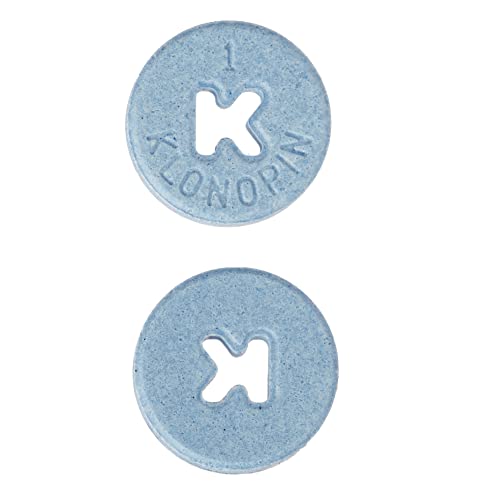


Klonopin (Clonazepam): Effective Long-Term Support for Anxiety and Seizure Disorders
Klonopin, the brand name for Clonazepam, is a highly effective medication belonging to the benzodiazepine class. It is widely recognized for its versatile therapeutic applications, primarily used to treat panic disorders, social anxiety, and various types of seizure disorders (including Lennox-Gastaut syndrome and akinetic seizures). With a longer half-life than many other medications in its class, Klonopin provides sustained relief, making it a cornerstone in long-term symptom management.
How Klonopin Works within the Nervous System
The efficacy of Klonopin lies in its ability to modulate the central nervous system’s response to stress and electrical impulses.
-
Enhanced GABA Activity: Klonopin works by increasing the effects of gamma-aminobutyric acid (GABA), a neurotransmitter that sends calming signals to the brain. This helps to reduce excessive “firing” of neurons.
-
Sustained Relief: Unlike short-acting options, Clonazepam is absorbed steadily, providing a consistent calming effect that helps prevent the onset of panic attacks and seizures throughout the day.
-
Anticonvulsant Properties: By stabilizing electrical activity in the brain, it is exceptionally effective at managing involuntary muscle movements and epilepsy.
Key Benefits & Clinical Indications
-
Comprehensive Panic Control: Significantly reduces the frequency and intensity of panic attacks, allowing individuals to regain control over their daily lives.
-
Social Anxiety Support: Helps alleviate the physical and psychological symptoms of social phobia, such as racing heart, sweating, and overwhelming dread.
-
Seizure Prevention: Acts as a powerful adjunctive therapy for both adults and children suffering from diverse seizure types.
-
Restless Leg Syndrome (RLS): Occasionally prescribed off-label to help calm the neurological impulses associated with RLS and sleep-related movement disorders.
Usage, Dosage, and Safety Protocols
Klonopin is a potent medication that requires careful administration under the guidance of a healthcare professional.
-
Standard Dosage: Klonopin is typically available in 0.5mg, 1mg, and 2mg tablets. The dose is usually started low and gradually titrated to achieve the desired effect without excessive sedation.
-
Administration: The tablets should be taken with water. For those using the orally disintegrating version, ensure hands are dry before handling the tablet and allow it to dissolve on the tongue.
-
Dependence Awareness: As with all benzodiazepines, Klonopin is intended for controlled use. Long-term use should be monitored to prevent tolerance or physical dependence.
-
Withdrawal Safety: Never stop taking Klonopin suddenly. A gradual taper supervised by a physician is necessary to prevent rebound symptoms or seizures.
The Comprehensive Guide to Klonopin (Clonazepam) Therapy
Historical Development and FDA Approval
Klonopin was first approved by the FDA in 1975, initially as an anticonvulsant. Over the decades, its role has expanded significantly. Manufactured by pharmaceutical leaders like Cheplapharm (and formerly Roche), it has become one of the most studied and prescribed benzodiazepines globally. Its transition from a primary epilepsy treatment to a leading solution for panic disorders reflects its profound ability to regulate neural excitability.
Pharmacological Profile: Why Klonopin is Different
Understanding the pharmacokinetics of Klonopin helps explain why it is often preferred over shorter-acting alternatives like Xanax (Alprazolam) or Ativan (Lorazepam).
-
The Half-Life Advantage: Klonopin has an elimination half-life of roughly 30 to 40 hours. This means the medication stays in the system longer, providing a “buffer” against the rebound anxiety that often occurs when shorter-acting drugs wear off.
-
Binding Affinity: It has a high affinity for the GABA-A receptors, which translates to potent effects even at lower milligram dosages ($1\text{mg}$ of Xanax is approximately equivalent to $0.5\text{mg}$ of Klonopin).
-
Metabolism: Unlike some other benzodiazepines, Klonopin is primarily metabolized by the liver via the CYP3A4 pathway, which is a key consideration for patients taking other medications.
Extended Clinical and Off-Label Uses
While its primary indications are Seizure Disorders and Panic Disorder, clinicians frequently utilize Klonopin for several “off-label” conditions where its calming effect is beneficial:
-
Restless Leg Syndrome (RLS): By calming the neurological impulses in the legs, it helps patients achieve more restful sleep.
-
REM Sleep Behavior Disorder (RBD): Klonopin is considered a first-line treatment for RBD, a condition where individuals “act out” their dreams, often resulting in injury.
-
Social Anxiety Disorder: Due to its long duration, it provides all-day coverage for those struggling with social phobia, helping them navigate work and social environments with reduced distress.
-
Akathisia: It is often used to treat the inner restlessness and “need to move” that can occur as a side effect of certain antipsychotic medications.
Comparative Analysis: Klonopin vs. Valium vs. Xanax
| Feature | Klonopin (Clonazepam) | Xanax (Alprazolam) | Valium (Diazepam) |
| Primary Use | Panic & Seizures | Acute Panic & GAD | Muscle Spasms & Alcohol Withdrawal |
| Onset | Intermediate (20-60 min) | Rapid (15-30 min) | Rapid (15-30 min) |
| Duration | 8–12 Hours | 4–6 Hours | Up to 24 Hours |
| Rebound Anxiety | Low | High | Very Low |
| Quantity | 1 mg/ 60 Pills, 1 mg/ 90 Pills, 1 mg/ 120 Pills, 2 mg/ 60 Pills, 2 mg/ 90 Pills, 2 mg/ 120 Pills |
|---|
1 review for Klonopin Online
Add a review
Related products
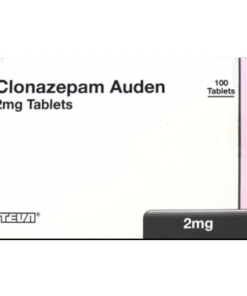
ANXIETY PILLS
Pain Killer Med
Pain Killer Med
Pain Killer Med
Pain Killer Med
Pain Killer Med
Pain Killer Med
Pain Killer Med

Eron –
First order was a winner! Package touched down safely and discreetly. Already recommended them to a friend and planning my own next purchase.