
Vicodin: Powerful Dual-Action Relief for Moderate to Severe Pain
Vicodin is one of the most recognizable and effective prescription analgesics used in modern medicine to manage acute, moderate to moderately severe pain. It utilizes a highly effective combination of two active ingredients: Hydrocodone Bitartrate and Acetaminophen (Paracetamol). By blending a semi-synthetic opioid with a non-opioid pain reliever, Vicodin provides a comprehensive approach to pain management, ensuring that patients can recover comfortably from surgery, injury, or chronic flare-ups.
How Vicodin Works: The Synergistic Formula
The clinical success of Vicodin is built on its ability to attack pain through two distinct biological pathways. This synergy allows for significant pain reduction while keeping the opioid dosage at a balanced level.
-
Hydrocodone (The Opioid Component): This ingredient acts directly on the central nervous system. By binding to the mu-opioid receptors in the brain and spinal cord, it alters the way your body perceives and emotionally responds to pain. It effectively blocks the “pain signals” from reaching their destination.
-
Acetaminophen (The Analgesic Booster): Acetaminophen works primarily in the peripheral nervous system. It inhibits the production of prostaglandins—chemicals that signal pain and cause inflammation. Additionally, it acts as an antipyretic, helping to reduce fever associated with illness or trauma.
-
The Combination Advantage: Because these two ingredients work together, the analgesic effect is amplified. This dual-action mechanism is why Vicodin is often preferred for pain that does not respond to paracetamol or ibuprofen alone.
Key Benefits & Clinical Indications
Vicodin is a versatile medication prescribed for various high-intensity pain scenarios, including:
-
Post-Surgical Recovery: Essential for managing pain following dental extractions, orthopedic surgeries, or abdominal procedures.
-
Injury Trauma: Provides rapid relief for bone fractures, severe sprains, and significant soft tissue damage.
-
Severe Back and Joint Pain: Used to manage acute episodes of sciatica, herniated discs, or advanced osteoarthritis.
-
Dental Pain Management: Frequently used for deep-tissue dental work or complex root canals where localized numbing wears off.
Usage, Dosage, and Safety Guidelines
Vicodin is a Schedule II controlled substance and must be used with strict adherence to a physician’s instructions to ensure safety and prevent dependency.
-
Standard Administration: Typically taken every 4 to 6 hours as needed for pain. It is important to take the tablet with a full glass of water.
-
Food and Digestion: While it can be taken on an empty stomach, taking Vicodin with food or milk can help minimize potential nausea, a common side effect of opioids.
-
Liver Safety Warning: It is critical to monitor your total daily intake of acetaminophen from all sources (including cold and flu medicines). Exceeding 4,000mg of acetaminophen in 24 hours can cause severe liver damage.
-
Avoid Alcohol: Never consume alcohol while taking Vicodin. Alcohol increases the sedative effects of hydrocodone and the liver-taxing effects of acetaminophen
Technical Specifications and Quality Control
When sourcing Vicodin, understanding the specific formulation is key to safe management.
-
Active Ingredients: Typically found in ratios like 5mg/300mg, 7.5mg/300mg, or 10mg/300mg (Hydrocodone/Acetaminophen).
-
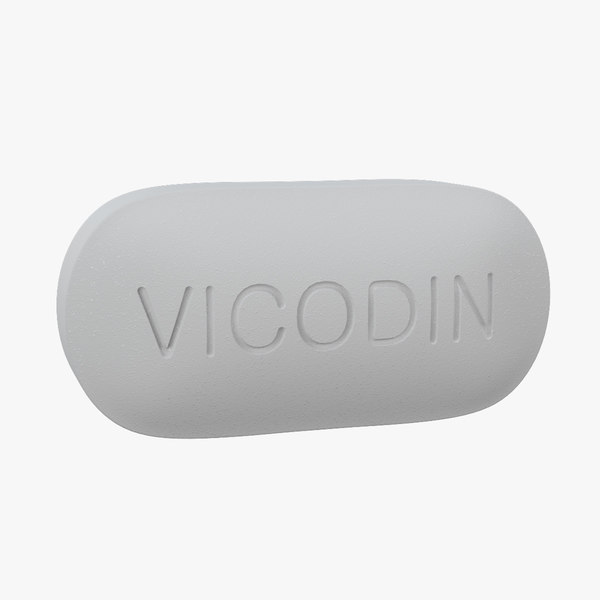
Appearance: Usually white, capsule-shaped tablets with specific imprints identifying the strength.
-
Pharmacokinetics: Rapidly absorbed from the GI tract, with pain relief usually beginning within 30 to 60 minutes and lasting up to 6 hours.
Storage and Discreet Logistics
We prioritize the privacy and safety of our customers:
-
Secure Packaging: All orders are dispatched in plain, unmarked, and tamper-evident packaging.
-
Safe Storage: Store Vicodin at room temperature (20°C to 25°C), away from light and moisture. Always keep it in a secure location out of reach of children or pets.
| Quantity | 10 mg/ 50 Pills, 10 mg/ 100 Pills, 10 mg/ 200 Pills |
|---|
Be the first to review “Buy Vicodin Online”
Related products
Pain Killer Med
Pain Killer Med
Pain Killer Med
Pain Killer Med
Pain Killer Med
Pain Killer Med
Pain Killer Med

Pain Killer Med

Reviews
There are no reviews yet.